
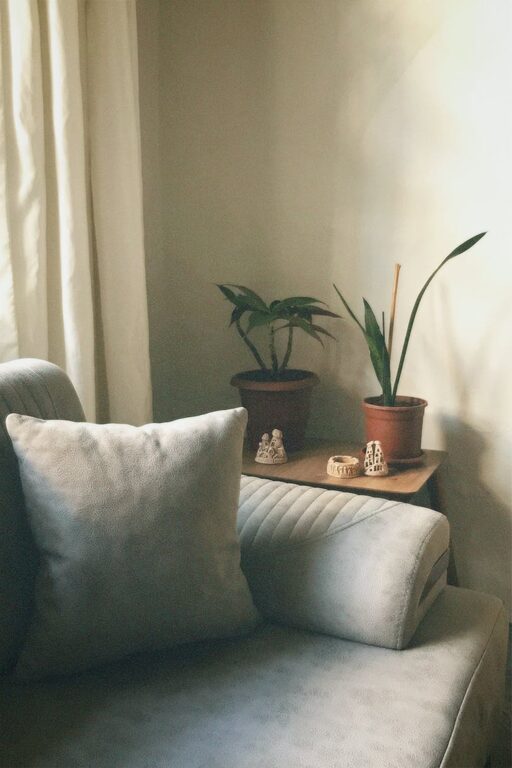
Creating a relaxing home environment is essential for unwinding after a busy day and promoting overall well-being. Your living space plays a significant role in how relaxed and comfortable you feel. Fortunately, you don’t need to undertake a full renovation or invest in expensive furnishings to create a peaceful atmosphere. With some simple decor ideas and thoughtful choices, you can design a calming retreat at home.
In this article, we’ll explore practical tips and straightforward ideas to help you create a relaxing home environment.
1. Choose Soothing Colour Palettes
Colours have a powerful effect on mood and emotions. To foster calmness, opt for soft, neutral shades or muted tones that encourage relaxation. Some popular calming colour options include:
– Pale blues
– Soft greens
– Warm beige or taupe
– Gentle greys
– Pastel shades such as blush or lavender
Avoid overly bright or stark colours, as these can feel stimulating rather than relaxing. Using natural materials like wood and stone alongside calming colours adds warmth and texture to your space.
2. Embrace Natural Light
Natural light has a remarkable ability to boost mood and reduce stress. Maximise the amount of daylight that enters your home by:
– Keeping window treatments light and airy, such as sheer curtains
– Using mirrors to reflect light deeper into rooms
– Arranging furniture to avoid blocking windows
– Keeping windows clean to let in the brightest light possible
When natural light isn’t plentiful, use soft, warm artificial lighting like lamps and fairy lights to create a cosy atmosphere.
3. Incorporate Plants and Greenery
Houseplants are a wonderful way to bring life and tranquility into your home. They also help purify the air and connect you with nature. Here are some easy-to-care-for options perfect for creating a soothing vibe:
– Snake plants
– Pothos
– Peace lilies
– Spider plants
– Succulents
Arrange plants in simple pots and group them on shelves, windowsills or corners to create little green retreats within your home.
4. Declutter and Simplify
A cluttered space can easily cause stress and distraction. To maintain a relaxing environment, regularly declutter your rooms and keep surfaces tidy. Here are some ideas to simplify your home:
– Use storage solutions like baskets and boxes to keep items organised
– Clear countertops, tables and floors of unnecessary objects
– Adopt a “less is more” approach with decorations and furniture
– Regularly donate or recycle items you no longer use
A clean, clear space helps to promote a calm and peaceful mind.
5. Add Comfortable Textiles
Soft textures encourage relaxation and make spaces feel inviting. Incorporate a variety of comfortable textiles throughout your home such as:
– Cushions and throws in natural fabrics like cotton or linen
– Plush rugs or carpets underfoot
– Light blankets or quilts for cosy evenings
– Curtains that add to the softness of a room
Choose calming colours and simple patterns to complement your overall decor style.
6. Use Scent to Create a Calming Ambience
Fragrances can have a soothing effect on mood and promote relaxation. Some gentle ways to introduce scent include:
– Essential oil diffusers with lavender, chamomile or eucalyptus
– Scented candles with mild aromas
– Fresh flowers such as jasmine or roses
– Simmering spices like cinnamon or vanilla on the stove
Make sure not to overdo scents, as strong fragrances can have the opposite effect.
7. Create Relaxing Zones
Designate specific areas in your home as zones for relaxation. This could be a small reading nook, a meditation corner or a comfortable seating area for unwinding. Tips for creating these zones:
– Use a comfortable chair or cushions to encourage sitting and relaxing
– Add a small side table to hold a cup of tea or a good book
– Keep these spaces free of tech devices where possible
– Personalise with calming decor such as small plants or soft lighting
Having dedicated spaces encourages you to slow down and enjoy moments of calm.
8. Incorporate Natural Elements
Bringing natural elements indoors can increase a sense of peace. Ideas include:
– Wooden furniture or accents
– Stone ornaments or bowls
– Natural fibre rugs or baskets
– Water features like small tabletop fountains
Nature-inspired decor can create a serene and grounded feeling in your home.
9. Choose Art and Decorations Mindfully
Select artwork and decorations that promote calm and positivity. Abstract, nature-inspired or minimalist art pieces often work well in relaxing spaces. When hanging art or adding decorative items:
– Avoid cluttered walls or overcrowded shelves
– Choose images or objects that make you feel calm or happy
– Keep decorations simple and cohesive with your home’s colour palette
Mindful decoration helps maintain a peaceful environment.
10. Maintain a Comfortable Temperature and Fresh Air
Temperature and air quality greatly influence comfort. To enhance relaxation:
– Use fans or portable heaters as needed to keep the temperature pleasant
– Open windows regularly to freshen the air and let gentle breezes flow through
– Avoid strong artificial air fresheners or drying chemicals
– Consider air-purifying plants or air purifiers if necessary
A comfortable atmosphere supports overall relaxation.
—
Final Thoughts
Creating a relaxing home environment doesn’t require an extensive overhaul—small, intentional changes in colour, lighting, organisation and natural elements can make a big difference. By curating a calming atmosphere with simple decor ideas, you can enjoy your home as a peaceful sanctuary to refresh and rejuvenate.
Try incorporating one or two of these tips at a time and notice how the mood of your space improves. Your home should be a place that nurtures your well-being, providing comfort and calm every day.