
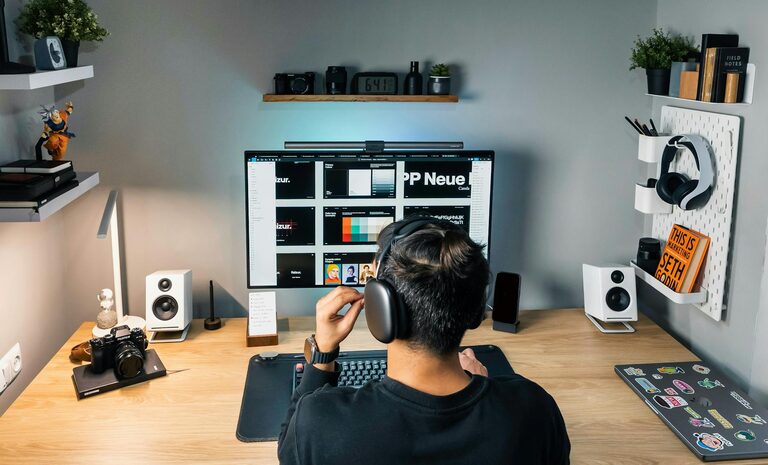
Creating a home office that is both comfortable and productive is essential for anyone working remotely or juggling tasks from home. A well-designed workspace can help you stay focused, reduce stress, and improve your overall work experience. Below, we explore practical tips to help you set up a home office that supports your productivity while keeping comfort at the forefront.
Choose the Right Space
Find a Quiet and Private Area
Start by selecting a spot in your home where you can work with minimal distractions. Ideally, this should be a quiet room or a corner that is separate from the main living areas. Having privacy helps you concentrate and signals to others that you are working.
Consider Natural Light
Natural light is known to improve mood and energy levels. Position your desk near a window if possible, to take advantage of daylight. If this isn’t feasible, invest in good-quality artificial lighting to reduce eye strain.
Invest in Ergonomic Furniture
Comfortable Chair
Choose a chair that supports your posture with adjustable height and lumbar support. Sitting comfortably prevents back and neck pain, especially during long working hours.
Suitable Desk
Your desk should be the right height to keep your arms at a 90-degree angle when typing. If space or budget is limited, a sturdy table can suffice, but avoid low surfaces like coffee tables.
Consider a Standing Desk
For added flexibility, consider a sit-stand desk. Alternating between sitting and standing can help improve circulation and reduce fatigue.
Organise Your Workspace
Keep Essentials Within Reach
Arrange your most-used items such as your laptop, notepad, pens, and phone close at hand. This reduces distractions from unnecessary movement.
Declutter Regularly
A tidy desk helps maintain focus. Use organisers, trays, or drawers to keep stationery and documents neat and out of sight when not needed.
Use Cable Management
Messy cables can be distracting and make your workspace look untidy. Cable clips or sleeves help keep wires organised and out of the way.
Optimise Technology Setup
Reliable Internet connection
Ensure you have a stable internet connection to avoid interruptions during virtual meetings or while working online.
Monitor and Accessories
Using an external monitor, keyboard, and mouse can improve ergonomics and productivity, especially if your work involves multiple applications or frequent typing.
Headphones for Focus
Noise-cancelling headphones can help you concentrate, particularly if your home environment is noisy or shared with others.
Create a Comfortable Atmosphere
Personalise Your Space
Add personal touches such as plants, artwork, or photos to make your workspace inviting and inspiring.
Control Temperature and Ventilation
Make sure your workspace is well-ventilated and at a comfortable temperature. A small fan or heater can help regulate the climate throughout the year.
Incorporate Break Areas
If space allows, set up a separate spot for breaks, like a comfortable chair by a window. This encourages stepping away from your desk and refreshing your mind.
Establish Boundaries and Routine
Set Work Hours
Working from home can blur the line between personal and professional time. Define clear working hours to maintain balance and avoid burnout.
Use Visual Cues
A physical signal like closing the office door or a “Do Not Disturb” sign can help household members respect your work time.
Take Regular Breaks
Short breaks every hour help maintain focus and prevent fatigue. Use reminders or apps to prompt you to stand, stretch, or walk briefly.
Maximise Natural and Artificial Lighting
Layer Your Lighting
Combine overhead lights with desk lamps for balanced lighting that reduces shadows and glare.
Choose Warm or Neutral Bulbs
Consider bulbs that mimic natural daylight or have a warm tone to create a cosy, comfortable atmosphere.
Make Storage Practical and Accessible
Shelves and Filing Systems
Use shelves or filing cabinets to keep documents organised and off your desk.
Label Containers
Clearly labelled boxes or drawers save time and reduce frustration when searching for items.
Maintain Good Air Quality
Add Indoor Plants
Plants can improve air quality and create a calming environment.
Fresh Air
Open windows when possible to let fresh air circulate, which can boost concentration and well-being.
—
Setting up a home office that balances comfort and productivity requires careful planning and some investment, but the benefits are well worth it. By choosing the right location, investing in ergonomic furniture, organising efficiently, and creating a pleasant atmosphere, you can make your home office a space where work feels less like a chore and more like a positive part of your day.