
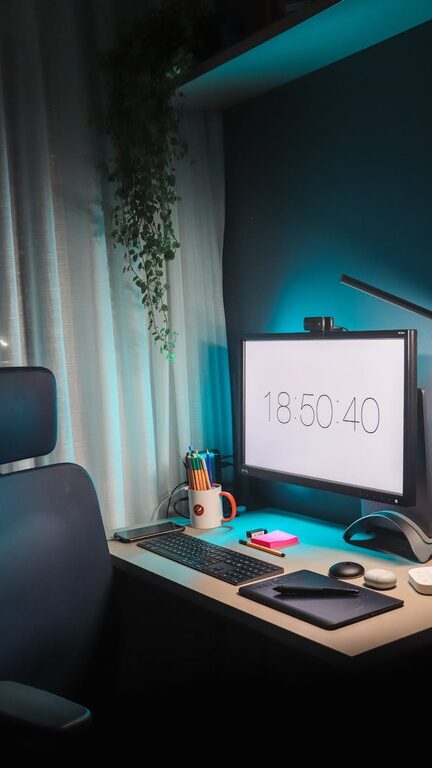
Creating a home office that is both comfortable and productive can significantly improve your work-from-home experience. Whether you’re new to remote working or have been doing it for a while, the right environment helps maintain focus, reduce stress, and balance work-life boundaries. Here are some practical tips to help you design a workspace that supports your best efforts.
Choose the Right Location
Selecting a suitable spot is the first step in setting up your home office.
– Quiet and private: Ideally, pick a room or corner away from household noise and distractions. If space is limited, using room dividers or screens can help create a sense of separation.
– Natural light: Position your desk near a window if possible. Natural daylight boosts mood, reduces eye strain, and energises your workday.
– Proximity to essentials: Make sure your workspace is close enough to amenities like the kitchen or bathroom, but not so close that you’re tempted by frequent interruptions.
Invest in Ergonomic Furniture
Comfort is key to avoiding aches and maintaining focus during long hours.
– Desk: Choose a desk with sufficient surface area for your computer, notebooks, and other essentials. Adjustable desks that allow you to alternate between sitting and standing are excellent options.
– Chair: An ergonomic chair with adjustable height, lumbar support, and comfortable cushioning will support good posture.
– Accessories: Consider items such as a footrest, wrist rests, and monitor stands to reduce strain on your body.
Organise Your Workspace Efficiently
A tidy and organised workspace reduces stress and improves workflow.
– Storage solutions: Use shelves, filing cabinets, or desk organisers to keep documents and supplies orderly.
– Declutter regularly: Set aside time each week to tidy your desk and remove unnecessary items.
– Cable management: Keep cords and cables neat with clips, ties, or cable boxes to prevent tangling and hazards.
Manage Lighting and Screen Setup
Good lighting and screen positioning can reduce fatigue and enhance work quality.
– Lighting: Combine natural light with adjustable desk lamps or overhead lighting. Avoid glaring or harsh shadows by positioning lights strategically.
– Screen height: Place your monitor at eye level to prevent neck and eye strain. Use a monitor arm or stand if needed.
– Minimise reflections: Adjust blinds or curtains to reduce glare on your screen.
Develop a Personalised Work Atmosphere
Making your home office inviting and motivating can transform your workday.
– Colour scheme: Choose calming or inspiring colours that suit your taste and promote focus.
– Personal touches: Add plants, artwork, or photos that make the space pleasant without becoming distracting.
– Aromatherapy and sound: Use subtle scents or background music to create a soothing and energising environment.
Set Clear Boundaries and Routine
To stay productive, it’s important to separate work time from personal time.
– Working hours: Define specific hours for work and breaks. An agreed routine helps maintain balance.
– Break space: If possible, designate a separate area for breaks to physically step away from your desk.
– Communication: Inform household members of your schedule to minimise interruptions.
Utilise Technology Wisely
The right tools can streamline your tasks and improve efficiency.
– Reliable internet: Ensure your connection is fast and stable to avoid disruptions in virtual meetings or file downloads.
– Noise-cancelling headphones: These help you concentrate, especially in noisy environments.
– Productivity apps: Use task managers, calendars, and note-taking apps to keep track of your workload and deadlines.
Take Care of Your Wellbeing
Your physical and mental health plays a big role in effective working.
– Movement: Incorporate short stretches or walks to prevent stiffness and boost circulation.
– Hydration and snacks: Keep water and healthy snacks at hand to maintain energy levels.
– Eye care: Follow the 20-20-20 rule: every 20 minutes, look at something 20 feet away for 20 seconds to reduce eye strain.
Conclusion
Designing a home office that suits your needs and preferences is a worthwhile investment in your work-from-home success. By choosing the right location, investing in ergonomic furniture, maintaining an organised workspace, and nurturing a balanced routine, you can create an environment that is both comfortable and highly productive. Remember to keep adjusting your setup as your needs evolve to ensure ongoing satisfaction and efficiency.